
Patterns that raise suspicion
Endometriosis may cause progressively painful periods, pain during intercourse, cyclical bowel or bladder pain, chronic pelvic pain, heavy bleeding or infertility.
Adenomyosis, fibroids, ovarian cysts, infection, bladder or bowel disorders and muscle pain can overlap.
Diagnosis is a process
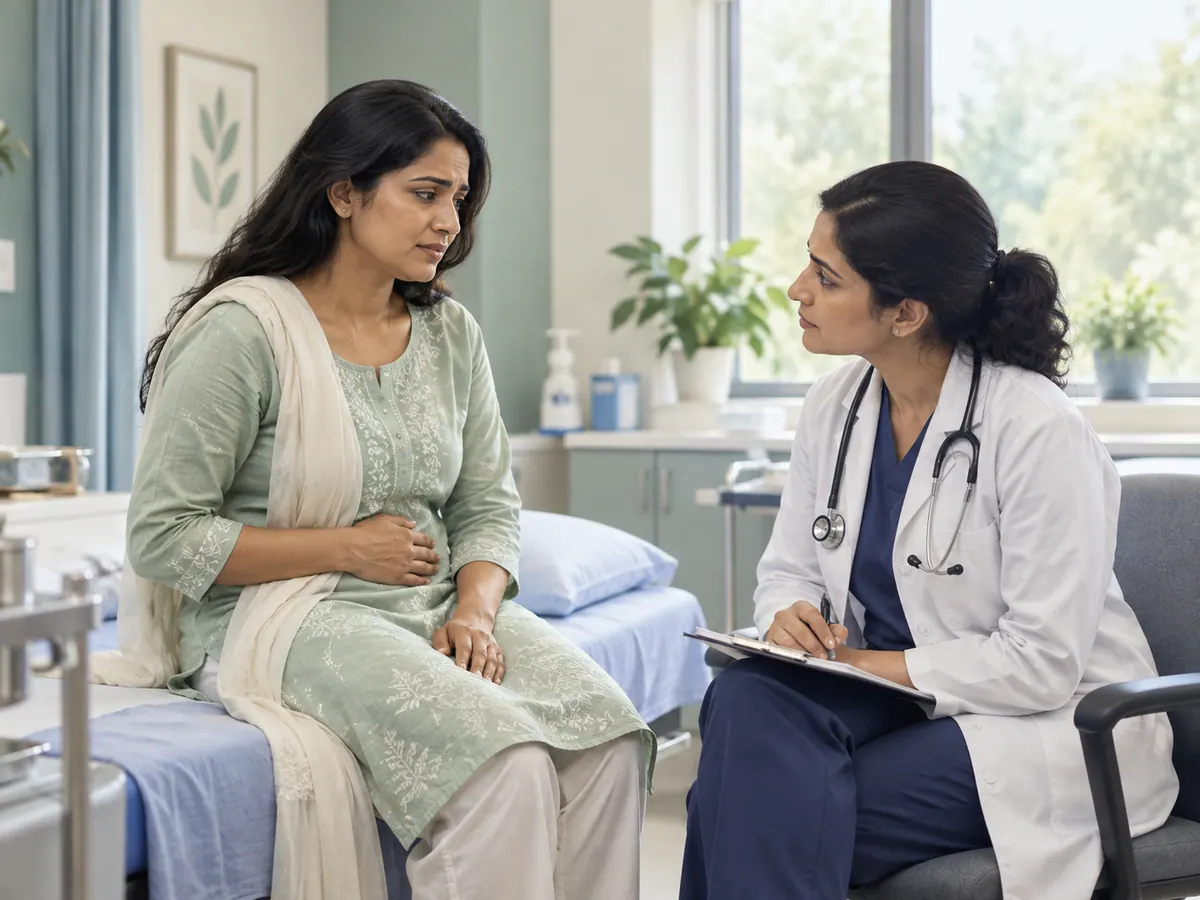
Consultation maps pain timing, triggers, bleeding and fertility goals. Examination and ultrasound may identify endometriomas or deep disease, but imaging can be normal.
Laparoscopy can confirm and treat selected cases, yet treatment can sometimes begin from a clinical diagnosis.
Medical and surgical choices
Pain relief and hormonal suppression can reduce symptoms. Surgery can remove disease and adhesions when indicated, but recurrence is possible.
Hysterectomy is not an automatic cure because disease may exist outside the uterus; fertility and ovarian decisions require careful counselling.
Endometriosis symptoms beyond period pain
Endometriosis tissue responds to hormonal cycles outside the uterus and can create inflammation, scarring and adhesions. Symptoms may include deep pain during intercourse, painful bowel movements or urination around periods, back pain, bloating, fatigue and infertility. The amount of pain does not reliably predict how much disease is present.
Symptoms can overlap with adenomyosis, fibroids, ovarian cysts, pelvic-floor muscle pain, bladder conditions and bowel disorders. A careful history maps timing, location and triggers and considers the whole pain pattern. Normal examination or ultrasound does not automatically exclude superficial endometriosis, but neither does pelvic pain automatically prove the diagnosis.
Fertility, surgery and long-term planning
Hormonal suppression can reduce pain while it is used, but it is not a fertility treatment. When pregnancy is desired, age, ovarian reserve, semen, tubes and disease pattern all influence whether to try naturally, consider surgery or move toward assisted reproduction. Repeated ovarian surgery can affect ovarian tissue and requires thoughtful counselling.
Laparoscopic surgery may remove lesions, release adhesions or treat an endometrioma in selected patients. Benefits must be balanced against operative risk, recurrence and fertility priorities. Endometriosis can be a long-term condition, so a useful plan includes pain control, exercise and pelvic-floor support where appropriate, mental health and clear criteria for reassessment.
Tracking pain without letting it take over
A brief symptom diary can record cycle day, pain location, bleeding, bowel or bladder symptoms, intercourse, medicine use and missed activities. This helps identify patterns and measure whether treatment is working. The goal is not to prove pain every day. Persistent pain can affect sleep, mood, work and relationships, and those effects deserve care alongside the pelvic diagnosis. Sudden severe pain, fever, fainting or a positive pregnancy test changes the situation and needs urgent assessment.
Questions patients commonly ask
Can endometriosis be seen on ultrasound?+
Some ovarian endometriomas and deep disease can be seen, but a normal ultrasound does not exclude all endometriosis. Imaging is interpreted with symptoms and examination.
Does endometriosis always cause infertility?+
No. Many people with endometriosis conceive naturally. Fertility depends on age, disease pattern and other female and male factors.
Is hysterectomy a guaranteed cure for endometriosis?+
No. Endometriosis can exist outside the uterus, and pain may have additional causes. Hysterectomy is a major individual decision, not an automatic cure.
Clinical references
This guide is informed by patient guidance from established public-health and professional medical bodies.